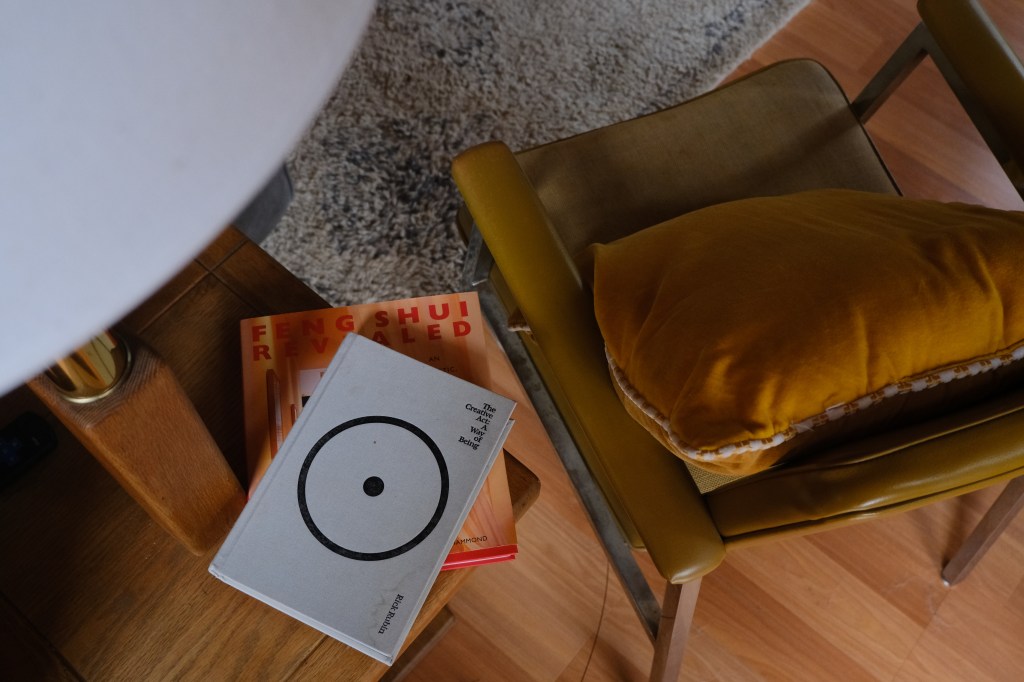
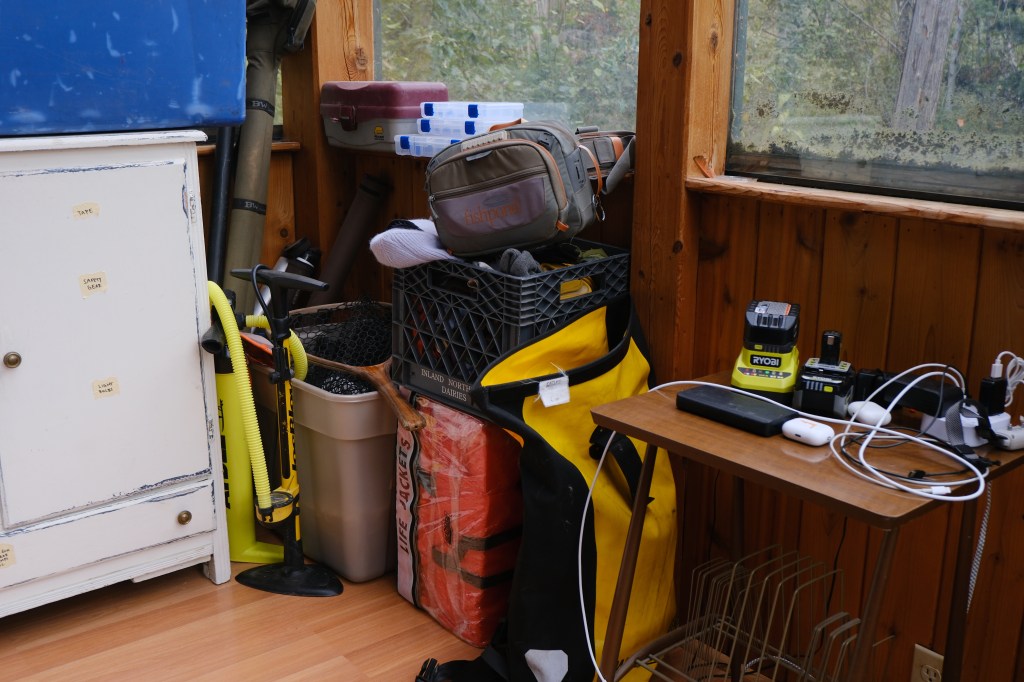
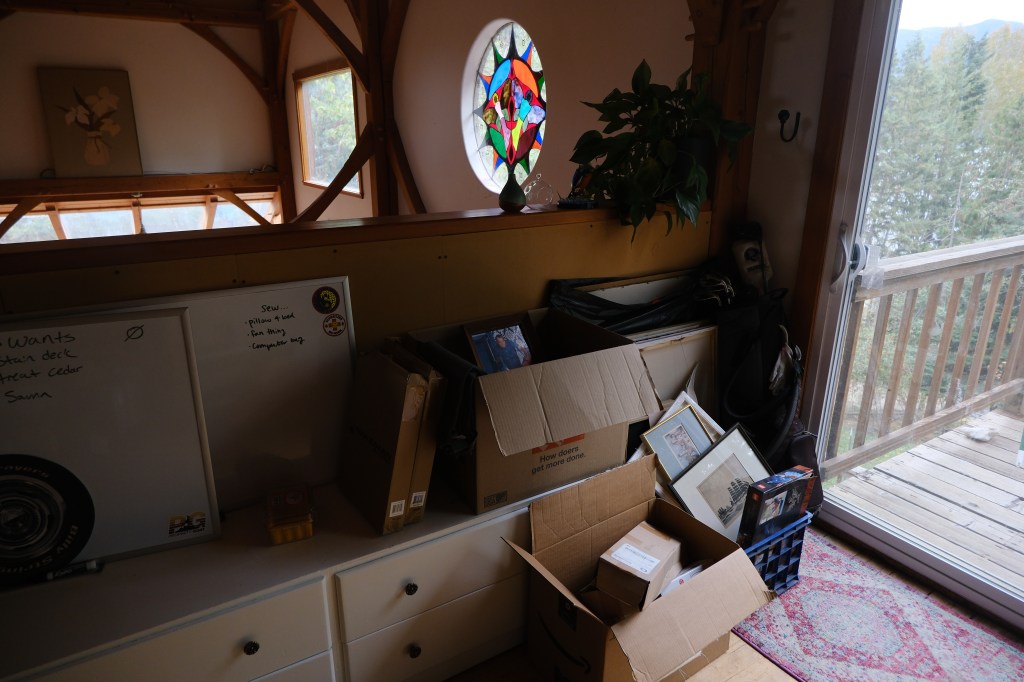
- It takes time for a house to become the house of your dreams. The items in your house should feel like a collection of things that you’ve hand-picked over time, not a bunch of stuff you grabbed at Target the weekend you moved in. It’s okay to sit in an “unfinished” space for a while. We need to get comfortable knowing that our spaces are constantly in flux, and it can take a while to reach a design goal. I’ve lived in my house for over four months now, and while there are spaces I’m really happy with, there are also corners where fishing gear, life jackets, backpacks, and other random crap are haphazardly shoved because I haven’t yet decided on a storage solution.
- You don’t need to set aside an entire day to organize. Spending 15 minutes each day putting things away, or taking 20 minutes here and there to organize, goes a long way. Plus, if you tell yourself to work for 15 minutes, you might find yourself in the back of your junk drawer pulling out random bits and bobs 45 minutes later. Motivation doesn’t always precede action, but it often follows.
- Everything has a place. If it doesn’t have a place, make a place for it. If you can’t find a good place for it, get rid of it. Everything you own takes up mental energy, whether you know it or not. The more we accumulate without ever trimming back, the more we are responsible for. That mental load can weigh us down. As mentioned above, you don’t need to go through your entire house in a day. Always have a thrift store box ready, so at any moment you can get rid of things that are no longer serving you.
- If you have a husband, wife, partner, or kids, make sure they feel included in the decision-making. If they don’t care about design choices, that’s fine, but make sure they have space for the things they care most about, and that the house functions for them, too. It’s important for everyone in the family unit to feel safe and cozy at home.
- Natural materials are better than synthetic ones. In addition to the health reasons, I prefer to stick with natural woods, cottons, linens, leather, wool, and other natural materials because they have proven themselves for centuries. Being very intentional about what you bring into your house and thinking long-term will not only save you money in the long run, but also create a space that feels intentional and cultivated.
- Facebook Marketplace, antique/thrift stores, and other used marketplaces should be the default, not Amazon. If you want your house to feel unique, you’re going to need to spend some time finding unique pieces. This can also help keep projects on budget, as you can usually find good deals if you are patient. I just bought a basically-new $900 wool rug on Marketplace for $200! And as an added bonus, it’s better for the environment.
- Most important of all, take the time to find your personal style, and don’t be afraid to change it or experiment. Using Pinterest or Instagram for inspiration can be helpful, but try your best to filter out what you think your house should look like. Being in the real estate industry, I’ve seen enough white and grey interiors to last me a lifetime. I would much rather experience someone’s house with a completely different style from mine, as long as it is truly their style. Basic is out. Your unique self is in!!
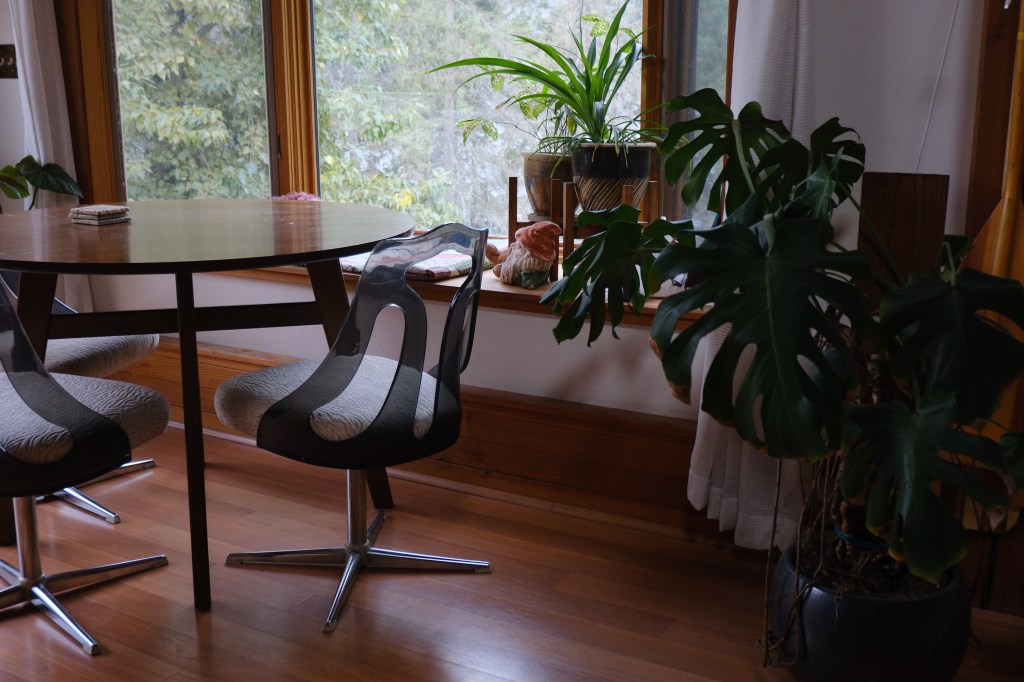
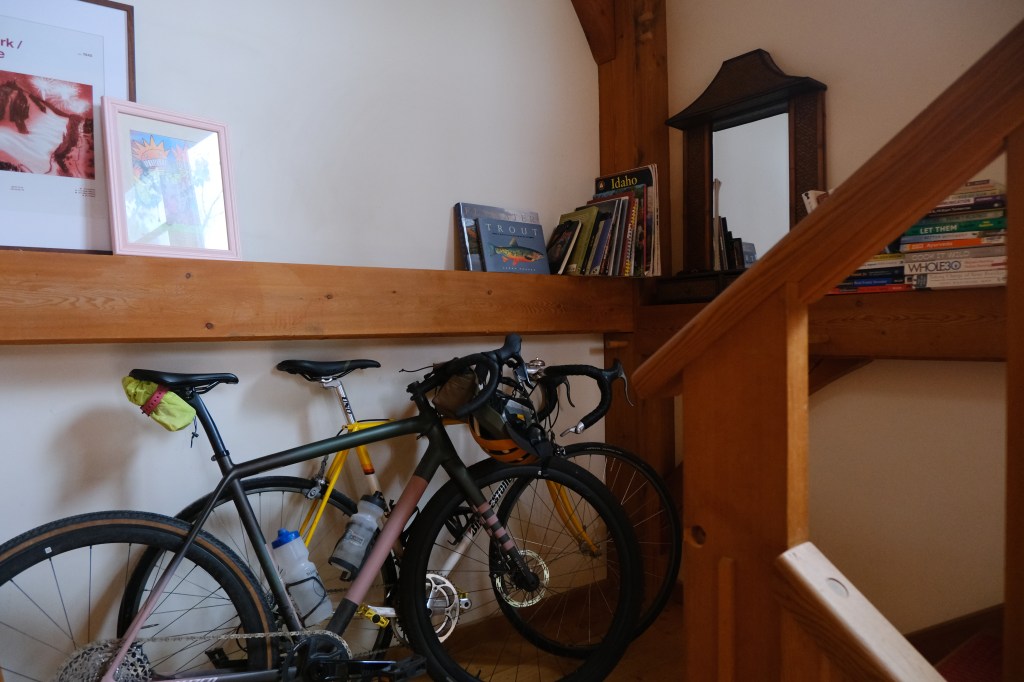
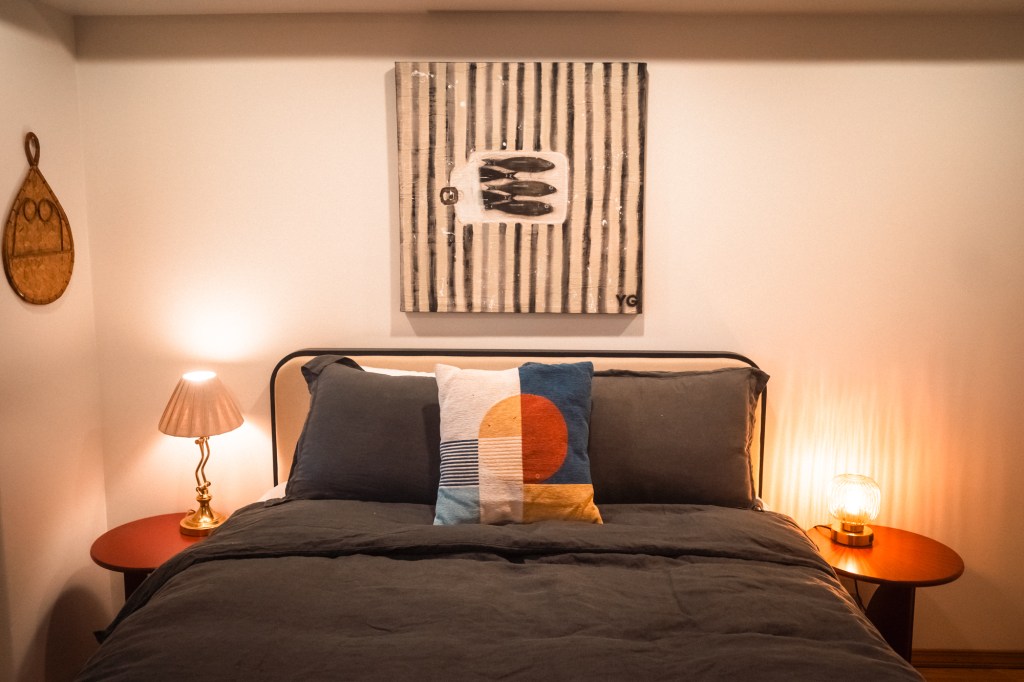
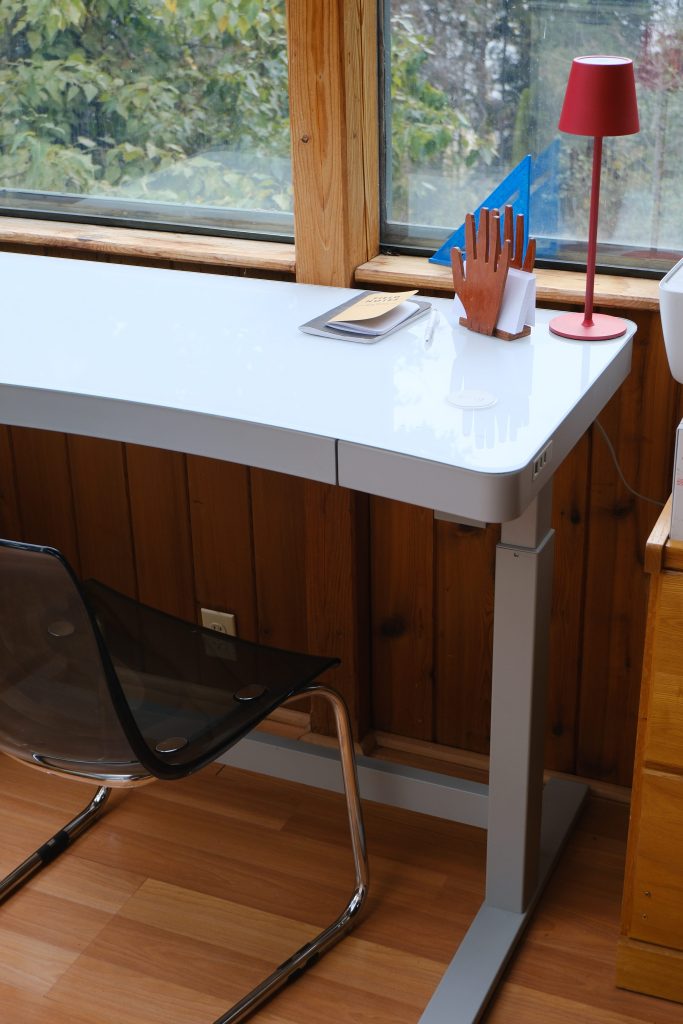
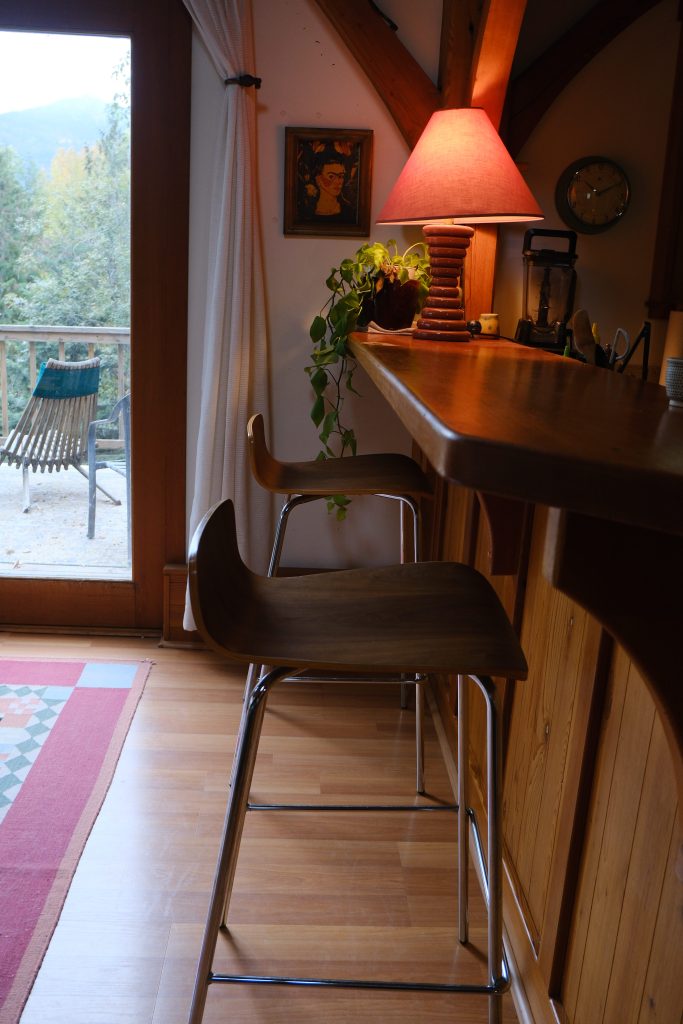
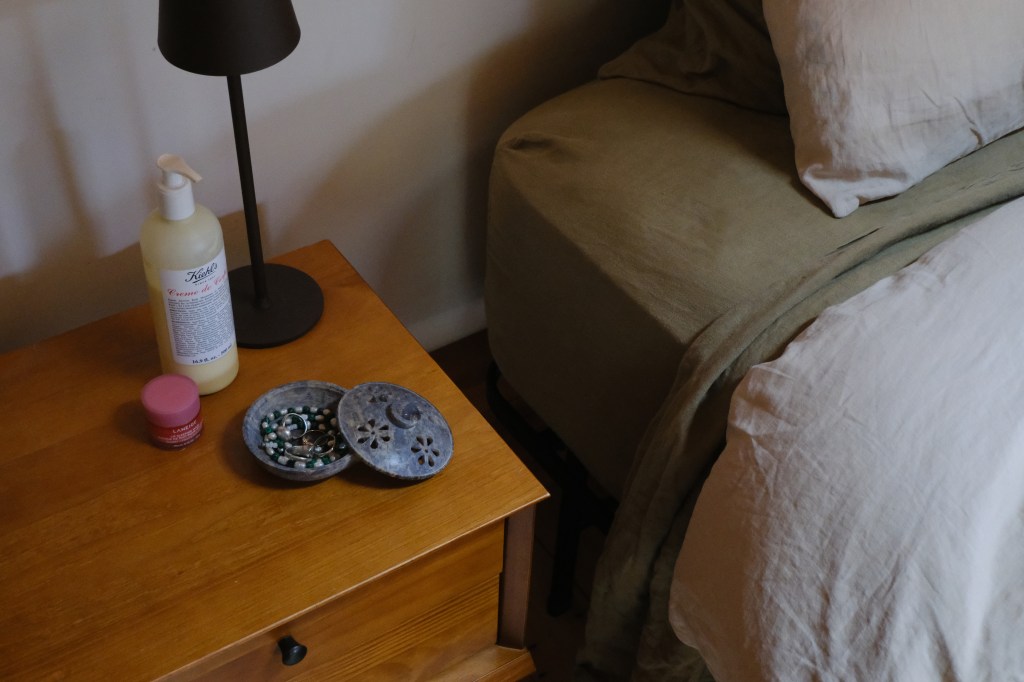
Some photos from around my ‘unfinished’ home.


Leave a Reply